

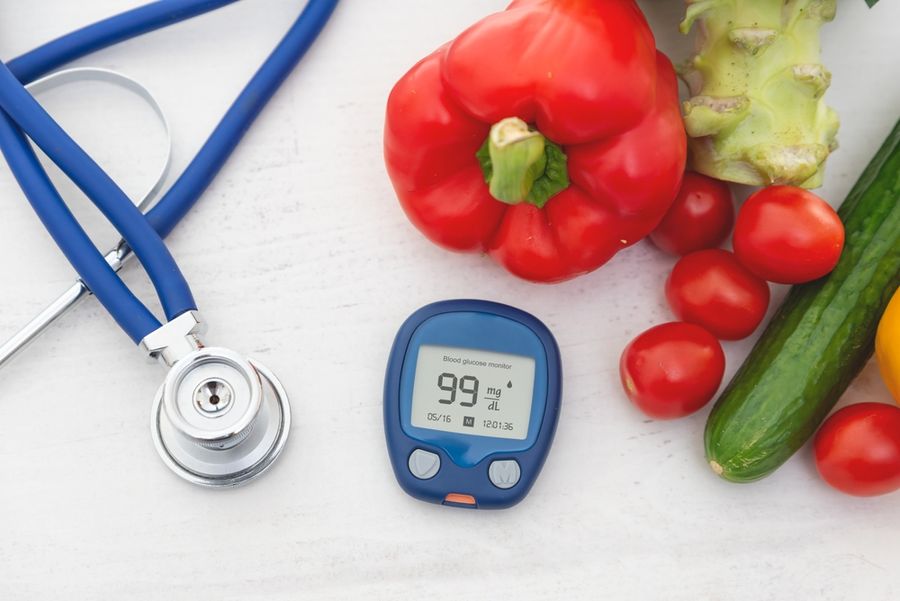
Managing diabetes effectively hinges on a balanced diet and lifestyle, focusing on maintaining optimal blood glucose, blood pressure, and cholesterol levels. By choosing nutrient-rich foods and practicing portion control, individuals can support heart health and manage blood sugar. Discover practical strategies and dietary choices that empower those with diabetes to lead healthier lives.
Understanding the Diabetes Diet
Managing diabetes effectively requires a comprehensive approach to diet and lifestyle. A diabetes-friendly diet focuses on maintaining blood glucose, blood pressure, and cholesterol levels within recommended ranges. This involves selecting foods rich in essential nutrients like vitamins, calcium, fiber, and healthy fats, while avoiding those high in saturated fat, sodium, and added sugars to support overall health. The plate method and carbohydrate counting are practical strategies for portion control, helping individuals balance their meals with non-starchy vegetables, high-fiber carbs, and protein foods.
Choosing the Right Foods
For individuals with diabetes, selecting the right foods is crucial for managing blood sugar levels. Foods high in protein and low in sugar, such as avocados and fatty fish, are particularly beneficial. Fatty fish like salmon and sardines are rich in omega-3 fatty acids, which are essential for heart health, a significant concern for those with diabetes due to increased heart disease risk. Leafy greens, such as spinach and kale, are low in calories and digestible carbs, making them excellent choices for maintaining stable blood sugar levels.
Incorporating Healthy Fats and Proteins
Incorporating healthy fats, such as those found in olive oil, nuts, and avocados, can help lower cholesterol and protect heart health. These fats are particularly important for individuals with diabetes, who are at a higher risk of cardiovascular diseases. Protein is another vital component of a diabetes meal plan, with options available for both plant-based and non-plant-based diets. Plant-based proteins like beans and lentils are good choices, though they contain carbs that need to be managed to maintain balanced blood glucose levels.
Meal Planning and Portion Control
Effective meal planning and portion control are essential for diabetes management. The Diabetes Plate method is a practical tool for meal planning, helping individuals with diabetes portion their meals effectively. It involves using a nine-inch plate, filling half with non-starchy vegetables, one-quarter with lean proteins, and one-quarter with quality carbohydrates. This method helps manage blood sugar levels and promotes overall health by ensuring balanced nutrition.
Physical Activity and Lifestyle Changes
Regular physical activity is beneficial for diabetes management, offering advantages such as lower blood glucose levels, improved heart health, and better weight management. Different types of activities, including aerobic, strength training, and balance exercises, can be tailored to individual needs and abilities. Maintaining a healthy weight is important for diabetes management, as losing 5% to 7% of body weight can improve blood glucose, cholesterol, and blood pressure levels through a combination of diet and exercise.
Why You Should Learn More About Diabetes Diet Today
Understanding and implementing a diabetes-friendly diet is crucial for managing the condition and improving overall health. By making informed food choices, individuals with diabetes can maintain stable blood glucose levels, reduce the risk of complications, and enhance their quality of life. Incorporating a variety of nutrient-dense foods, practicing portion control, and engaging in regular physical activity are key components of effective diabetes management. Exploring resources and support from healthcare professionals can further aid in creating a personalized and sustainable diabetes diet plan.