

Exploring the kitchen's hidden hazards reveals the potential risks posed by everyday tools and ingredients. From toxic chemicals in black plastic utensils to the dangers of nonstick cookware and microplastics in plastic kitchenware, understanding these threats is vital. Discover safer alternatives and learn how informed choices can protect health and promote sustainability in the kitchen.
Understanding the Risks of Kitchen Tools and Ingredients
In the quest for a healthier lifestyle, many overlook the potential hazards lurking in everyday kitchen tools and ingredients. Recent research highlights the dangers associated with certain kitchenware, such as black plastic utensils, which can leach toxic flame retardants like decabromodiphenyl ether (decaBDE) into food. These chemicals, originally used in electronics, are linked to cancer and hormone disruptions posing significant health risks. Alternatives like stainless steel or food-grade silicone are recommended for safer cooking.
The Hidden Dangers of Nonstick Cookware
Nonstick pans, particularly those coated with PTFE (Teflon), are popular for their convenience. However, when overheated or damaged, they can release harmful chemicals. Although PFOA, a harmful chemical once used in Teflon, has been eliminated, concerns remain about the safety of newer PFAS compounds. These chemicals can leach into food and are linked to health issues like hormone disruption and cancer making it crucial to consider alternatives such as stainless steel or cast iron pans.
Plastic Kitchenware: A Source of Microplastics
Plastic chopping boards and utensils are common in many kitchens, but they pose significant health risks. Studies show that a single cut on a plastic board can release up to 1,114 microplastic particles into food, potentially leading to heart attacks, strokes, and DNA damage. Switching to bamboo or wood chopping boards can reduce these risks and are more environmentally friendly offering a safer option for food preparation.
Storage Containers and Their Impact on Health
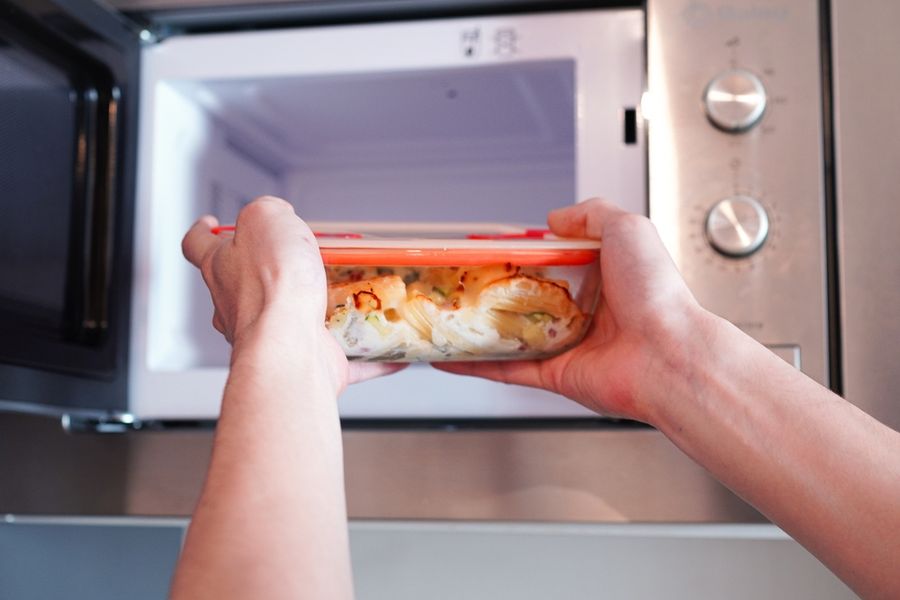
Plastic storage containers may contain BPA (Bisphenol A), a chemical that can leach into food when the containers are heated or become scratched and worn. To avoid this risk, it is recommended to switch to glass or ceramic storage containers. These materials do not leach harmful chemicals into food, making them a safer choice for storing leftovers and meal prep ensuring food safety.
Aluminum Foil and Its Potential Health Risks
Aluminum foil is a staple in many kitchens, but it can leach aluminum into food, especially when cooking acidic foods and spices. Over time, ingesting large amounts of aluminum may be linked to health concerns. Safer alternatives include using parchment paper for baking or silicone baking mats, or opting for non-stick bakeware to minimize exposure to aluminum.
Why You Should Learn More About Kitchen Safety Today
Understanding the potential hazards associated with common kitchen tools and ingredients is crucial for maintaining a healthy lifestyle. By making informed choices, such as opting for stainless steel or bamboo alternatives, individuals can significantly reduce their exposure to harmful chemicals and microplastics. This proactive approach not only preserves personal health but also contributes to a more sustainable environment. As awareness grows, it becomes increasingly important to stay informed about the latest research and recommendations for safer kitchen practices.